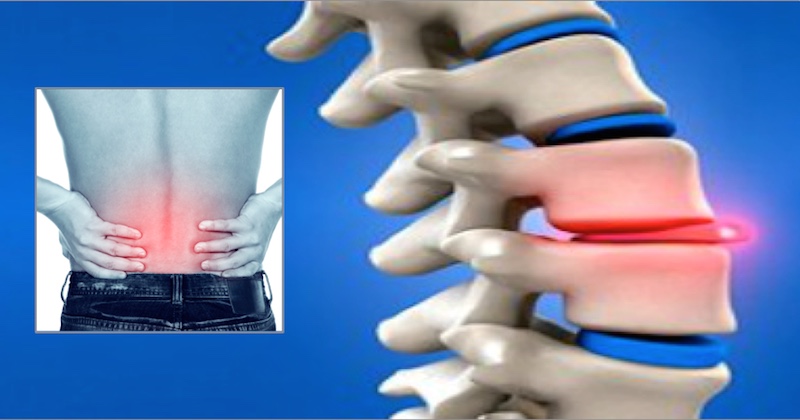
Spinal fixation and fusion are critical surgical procedures performed to treat a variety of
spine-related conditions, including instability, deformity, trauma, and degenerative diseases.
These surgeries aim to stabilize the spine, relieve pain, and restore normal function. This blog
provides a detailed overview of spinal fixation and fusion, including indications, techniques,
recovery, and expected outcomes.
What is Spinal Fixation and Fusion?
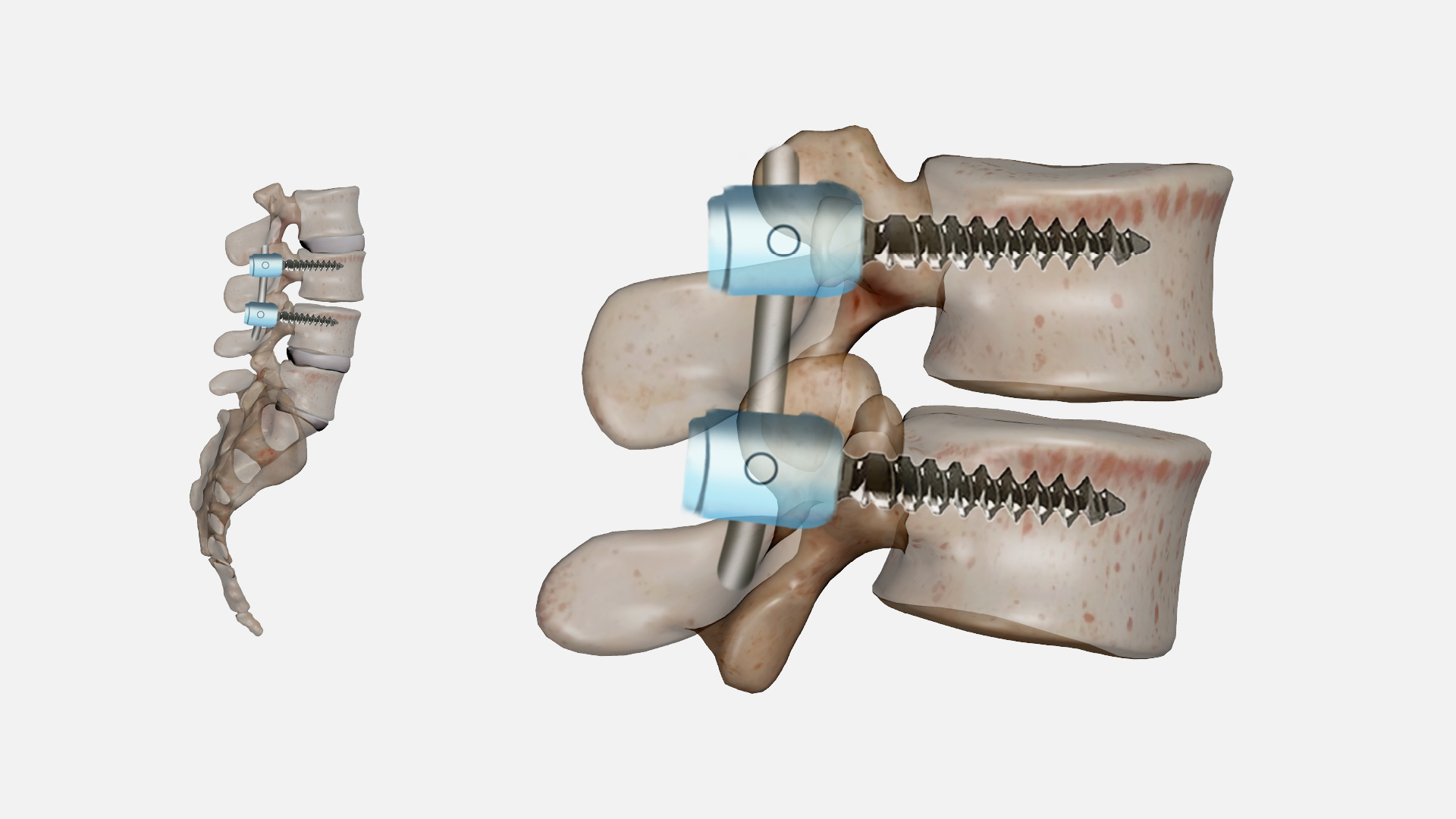
● Spinal fixation involves the use of implants such as screws, rods, plates, and cages to
hold the vertebrae in place.
● Spinal fusion is the process of joining two or more vertebrae using bone grafts, forming
a single, solid bone over time.
● These procedures eliminate motion at a painful vertebral segment, ideally reducing pain
and improving stability.
Why is Spinal Fusion Performed?
Spinal fusion is recommended for various spinal conditions, such as:
1. Degenerative Disc Disease – Worn-out discs causing chronic pain.
2. Scoliosis – Abnormal curvature of the spine.
3. Spondylolisthesis – One vertebra slipping over another.
4. Spinal Stenosis – Narrowing of the spinal canal compressing nerves.
5. Fractures – Especially due to trauma or osteoporosis.
6. Tumors or Infections – Affecting spinal stability.
7. Recurrent Disc Herniation – After failed prior discectomy.
Types of Spinal Fusion Procedures
1. Anterior Lumbar Interbody Fusion (ALIF) – Fusion through the abdomen.
2. Posterior Lumbar Interbody Fusion (PLIF) – Through the back.
3. Transforaminal Lumbar Interbody Fusion (TLIF) – From the side and back, minimally
invasive.
4. Lateral Lumbar Interbody Fusion (LLIF/XLIF) – From the side.
5. Cervical Fusion – For neck-related spine conditions.
How is the Procedure Performed?
1. Anesthesia – General anesthesia is administered.
2. Incision – Based on the fusion type, either anterior, posterior, or lateral.
3. Disc Removal – Damaged disc material is removed (if needed).
4. Bone Grafting – Graft placed between vertebrae to encourage fusion.
5. Fixation Devices – Screws, rods, or cages implanted for stability.
6. Wound Closure – The incision is sutured and dressed.
Bone Graft Options
Fusion requires bone graft material:
● Autograft – Bone from your own pelvis.
● Allograft – Donor bone from a bone bank.
● Synthetic – Man-made substitutes (bioceramics, bone morphogenetic proteins).
Each option has pros and cons in terms of healing, risk, and effectiveness.
Recovery After Spinal Fusion
Recovery varies but usually involves:
● Hospital Stay: 2–5 days.
● Pain Management: Medications for initial discomfort.
● Physiotherapy: Starts early to improve function.
● Activity Restrictions: Avoid bending, twisting, or lifting.
● Fusion Period: Takes 6–12 months to fully fuse.
Benefits of Spinal Fusion
● Relief from chronic back or neck pain.
● Restores spine stability and alignment.
● Prevents further degeneration of the affected segment.
● Improves posture, mobility, and overall quality of life.
Risks and Complications
Though generally safe, potential complications include:
● Infection or wound healing problems.
● Bleeding or blood clots.
● Pseudoarthrosis (non-union).
● Nerve injury or persistent pain.
● Implant failure or loosening.
● Adjacent segment disease (stress on nearby vertebrae).
Minimally Invasive Spinal Fusion
Minimally invasive methods like TLIF or XLIF offer benefits such as:
● Smaller incisions.
● Less muscle and tissue damage.
● Reduced blood loss.
● Faster recovery.
● Lower infection risk.
Not all patients are eligible; your spine surgeon will determine the best approach.
When to Consider Spine Fusion
Fusion may be advised when:
● Conservative treatments (physiotherapy, medications, injections) fail.
● Structural problems like deformity or instability are present.
● Nerve symptoms like numbness, tingling, or weakness occur.
● Pain interferes with daily life and work.
Life After Spinal Fusion
Post-surgery lifestyle considerations:
● Rehabilitation: Crucial for regaining mobility and strength.
● Work: Most people return to desk jobs in 6–12 weeks; manual jobs may take longer.
● Lifestyle: Quit smoking, maintain healthy weight, practice safe movements.
● Long-Term: Patients often report long-term relief and improved function.
Conclusion
Spinal fixation and fusion can be life-changing for individuals suffering from chronic spine
conditions. With advancements in surgical techniques and minimally invasive options, the
outcomes have greatly improved. It’s important to consult a qualified spine surgeon to assess
whether this treatment is right for you.