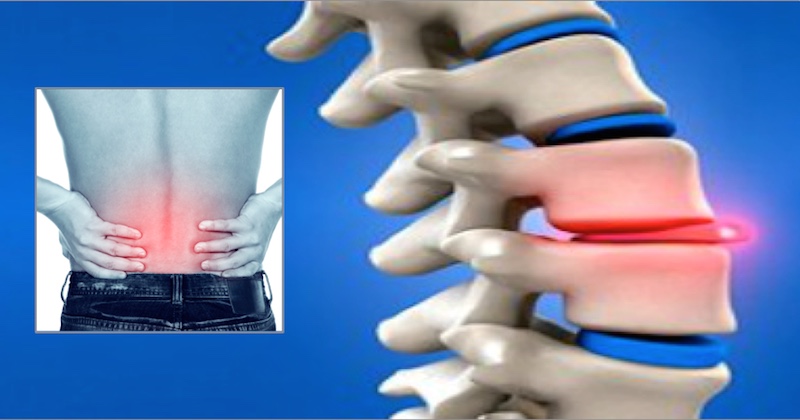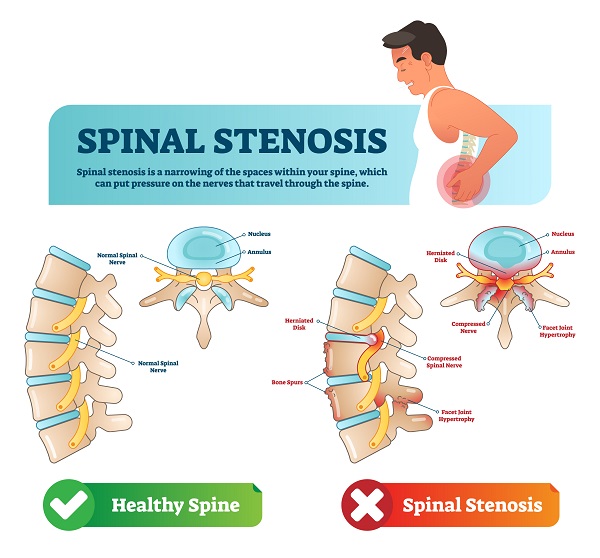
Lumbar Canal Stenosis is a common spinal condition, especially among older adults. It
involves the narrowing of the spinal canal in the lower back (lumbar spine), which puts pressure
on the spinal cord and nerves. This pressure can lead to a variety of symptoms, including back
pain, leg pain, numbness, and weakness.
In this blog, we’ll explore the causes, symptoms, diagnosis, and treatment options available for
lumbar canal stenosis.
What is Lumbar Canal Stenosis?
The spinal canal is a hollow space within the spine that contains the spinal cord and spinal
nerves. When this space becomes narrowed in the lumbar (lower back) region, it is referred to
as Lumbar Canal Stenosis.
This narrowing can be caused by degenerative changes in the spine due to aging, injury, or
congenital defects. As the canal becomes smaller, it compresses the spinal nerves, leading to
symptoms that can significantly affect a person’s quality of life.
Causes of Lumbar Canal Stenosis
Several factors can contribute to the development of lumbar canal stenosis:
1. Degenerative Changes (Most Common)
● Osteoarthritis and wear-and-tear over time can lead to thickened ligaments, bone
spurs, or herniated discs that reduce space in the spinal canal.
2. Herniated Discs
● When the inner gel-like portion of a disc protrudes through its outer layer, it can press on
the spinal cord or nerves.
3. Thickened Ligaments
● Ligaments that support the spine may thicken and stiffen over time, narrowing the spinal
canal.
4. Spinal Injuries
● Trauma or fractures can dislocate bone fragments and compress the spinal canal.
5. Tumors
● Abnormal growths inside the spinal canal may apply pressure on the nerves.
6. Congenital Conditions
● Some people are born with a naturally narrow spinal canal (congenital stenosis), making
them more susceptible to symptoms earlier in life.
Symptoms of Lumbar Canal Stenosis
Symptoms usually develop gradually and worsen over time. The hallmark symptom is
neurogenic claudication, a condition where walking or standing causes leg pain and
weakness, which improves with sitting or bending forward.
Common symptoms include:
● Lower back pain
● Leg pain or cramping (especially when walking or standing)
● Numbness or tingling in the legs, feet, or buttocks
● Weakness in the legs
● Loss of balance
● Difficulty walking long distances
● Relief of symptoms when leaning forward or sitting
Diagnosis of Lumbar Canal Stenosis
To diagnose lumbar canal stenosis, a combination of clinical evaluation and imaging is used:
1. Physical Examination
The doctor will assess the range of motion, reflexes, and any signs of nerve compression or
weakness.
2. Medical History
Understanding symptom patterns, duration, and triggering factors helps narrow the diagnosis.
3. Imaging Tests
● X-rays: Can show structural changes in the spine like bone spurs or disc space
narrowing.
● MRI: The most definitive imaging test to show soft tissues, nerves, and the degree of
stenosis.
● CT Scan: Offers detailed images, especially useful when MRI is contraindicated.
● Myelogram: A special X-ray using contrast dye to evaluate spinal cord compression.
Treatment Options for Lumbar Canal Stenosis
Treatment depends on the severity of symptoms and the impact on daily life. Both non-surgical
and surgical options are available.
### A. Non-Surgical Treatments
These are usually tried first unless there is severe nerve compression or significant disability.
1. Medications
● Pain relievers: NSAIDs like ibuprofen or naproxen
● Muscle relaxants
● Neuropathic pain medications: Gabapentin or pregabalin
● Epidural steroid injections: Help reduce inflammation and pain
2. Physical Therapy
● Improves strength, flexibility, and endurance
● Teaches posture and body mechanics to reduce strain
● Helps with walking tolerance
3. Lifestyle Modifications
● Weight loss: Reduces pressure on the spine
● Exercise: Low-impact activities like swimming or walking can be beneficial
● Use of assistive devices: Cane or walker to improve mobility
B. Surgical Treatment
If conservative treatments fail and symptoms worsen, surgery may be recommended.
1. Laminectomy (Decompression Surgery)
● The most common surgery for lumbar stenosis
● Involves removing the lamina (part of the vertebra) to create more space for the nerves
2. Laminotomy
● Partial removal of the lamina
3. Spinal Fusion
● In cases of spinal instability, two or more vertebrae may be permanently joined together
using screws and rods.
4. Minimally Invasive Surgery
● Smaller incisions
● Faster recovery
● Less blood loss and tissue damage
Surgical outcomes are generally favorable, especially in properly selected patients with
leg-dominant symptoms.
Recovery and Rehabilitation
Recovery after surgery depends on the patient’s age, general health, and the extent of surgery.
Postoperative care may include:
● Pain management
● Physiotherapy
● Gradual return to activities
● Follow-up visits and imaging
Most patients notice improvement in leg pain and walking ability within a few weeks.
Back pain may take longer to improve and may require ongoing therapy.
Living with Lumbar Canal Stenosis
Many people can manage their symptoms effectively through non-surgical methods and lead
active lives. However, regular monitoring is essential.
Tips for managing lumbar stenosis:
● Maintain a healthy weight
● Stay active with back-friendly exercises
● Avoid prolonged standing or walking
● Use lumbar support while sitting
● Practice good posture
When to See a Spine Specialist
You should consult a spine specialist if:
● Symptoms interfere with your daily life
● Pain radiates to your legs or causes numbness/weakness
● Conservative treatments no longer provide relief
● You experience loss of bowel or bladder control (medical emergency)