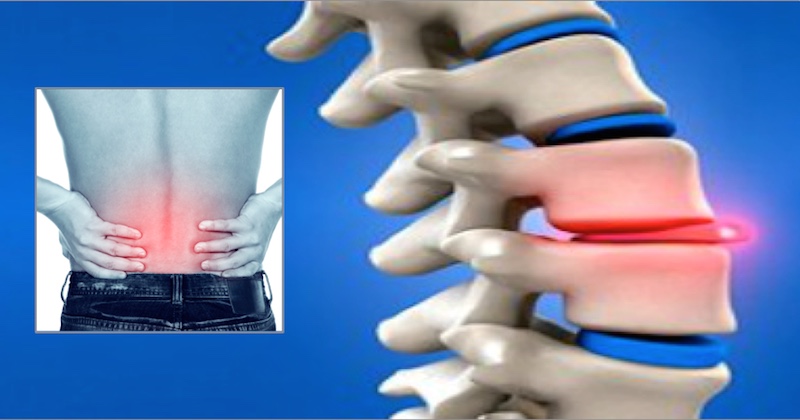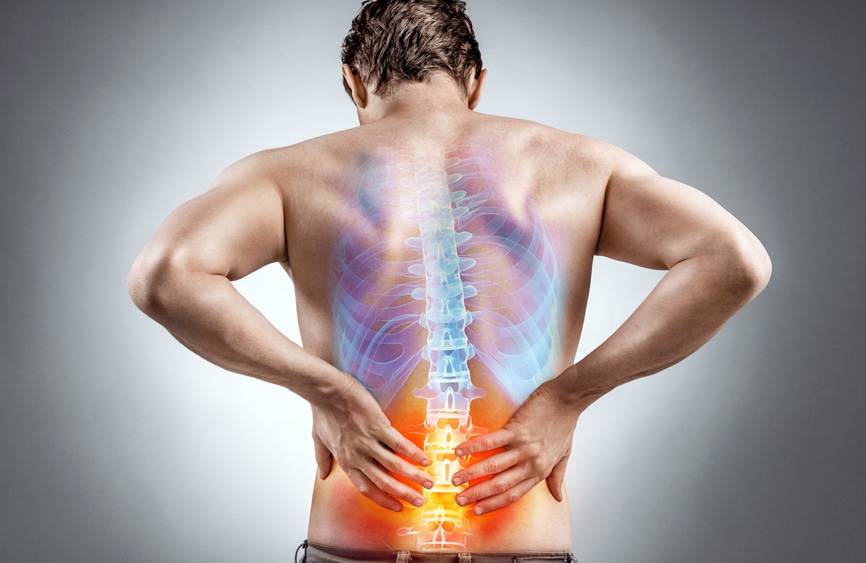
Lower back pain is one of the most common reasons for doctor visits globally, and a significant number of these cases are attributed to Discogenic Low Back Pain. Often misunderstood and misdiagnosed, discogenic pain stems from degeneration or injury to the intervertebral discs—the cushions that separate the bones (vertebrae) in your spine.
In this blog, we’ll break down what discogenic pain is, why it happens, how to recognize it, and most importantly—how it can be treated effectively.
What Is Discogenic Low Back Pain?
Discogenic pain is back pain originating from a damaged intervertebral disc—particularly in the lumbar spine (lower back). These discs act as shock absorbers between the vertebrae. When they deteriorate due to age, injury, or overuse, they can become painful.
Discogenic pain is typically localized to the lower back and is mechanical in nature, meaning it worsens with certain activities such as sitting, bending, lifting, or prolonged standing.
Anatomy Behind the Pain
Your spine is made up of 33 vertebrae, separated by intervertebral discs. Each disc consists of:
Nucleus Pulposus: inner gel-like core
Annulus Fibrosus: outer fibrous ring
Over time or due to repetitive strain, the annulus can develop small tears or the nucleus may lose water content, leading to disc degeneration. These damaged discs may trigger pain by irritating nearby nerves or by causing chemical inflammation.
Causes of Discogenic Low Back Pain
Several factors can lead to disc damage or degeneration:
Age-related Degeneration
As we grow older, discs lose hydration and elasticity, making them more vulnerable to wear and tear.
Poor Posture
Slouching, prolonged sitting, and improper lifting techniques put abnormal stress on the spine.
Repetitive Strain
Jobs involving heavy lifting, twisting, or prolonged sitting increase the risk of disc injury.
Spinal Injuries
Accidents, falls, or trauma can cause disc herniation or tearing of the annulus fibrosus.
Sedentary Lifestyle
Lack of exercise leads to weak back muscles, increasing stress on the discs.
Symptoms to Watch Out For
Discogenic low back pain often mimics other spinal conditions but has certain distinguishing features:
Localized pain in the lower back
Pain aggravated by sitting, bending forward, or lifting
No or minimal pain in the legs (unlike sciatica)
Morning stiffness that improves through the day
Difficulty standing or walking after sitting for long periods
Unlike herniated disc pain that radiates down the leg, discogenic pain typically stays in the lower back region.
How Is It Diagnosed?
Clinical History & Physical Examination
Your spine specialist will take a detailed history and assess your movements, posture, and pain pattern.
MRI Scan
An MRI is crucial to visualize disc degeneration, dehydration, or tears in the disc structure.
Provocative Discography
In select cases, a diagnostic injection is used to identify the exact disc causing the pain by reproducing symptoms.
Treatment Options for Discogenic Pain
Treatment usually begins conservatively and progresses depending on the severity and response.
1. Conservative Management
Most patients respond well to non-surgical care, including:
Rest & Activity Modification: Avoid activities that worsen the pain (e.g., prolonged sitting or lifting heavy objects).
Medications: Pain relievers, anti-inflammatories, or muscle relaxants may be prescribed.
Physiotherapy: Stretching, core strengthening, posture correction, and guided exercises can reduce pain and prevent recurrence.
Heat/Ice Therapy: Applying heat or cold packs helps reduce inflammation and muscle spasm.
2. Minimally Invasive Procedures
If conservative treatment doesn’t help, the next step includes:
Epidural Steroid Injections: Steroids reduce inflammation and provide pain relief around the affected disc.
Radiofrequency Ablation (RFA): A minimally invasive procedure that uses heat to disable pain-generating nerves near the disc.
Endoscopic Spine Surgery: A targeted, scar-less procedure that removes degenerated disc material through a small incision.
3. Surgical Treatment
When pain is persistent and severely affecting daily life, surgical options may be considered:
Spinal Fusion Surgery: Fuses two or more vertebrae to eliminate painful motion.
Artificial Disc Replacement: Replaces the damaged disc with a prosthetic one, preserving motion.
Lifestyle & Prevention Tips
Preventing discogenic back pain is possible with a proactive approach:
Maintain good posture while sitting and standing
Use ergonomic furniture at work and home
Avoid prolonged sitting—take breaks every 30–60 minutes
Exercise regularly to strengthen core and back muscles
Lift objects with proper technique—bend knees, not back
Stay hydrated and maintain a healthy weight
When to See a Spine Specialist
You should consult a spine specialist if your back pain:
Persists beyond 2–4 weeks
Gets worse with sitting or bending
Affects your daily work or sleep
Doesn’t improve with rest or over-the-counter medication
Conclusion
Discogenic Low Back Pain is a common but often underdiagnosed cause of chronic back pain. The good news is that with timely diagnosis, conservative care, or advanced treatment when necessary, most patients can find relief and return to normal activity. If your back pain has been interfering with your quality of life, consult a spine specialist to explore the best treatment options for you.