Osteoarthritis (OA) is a progressive joint condition that affects millions of people across the
globe. It’s often called the “wear and tear” arthritis because it commonly develops with age
and continuous use of joints over time. However, osteoarthritis is much more than just a natural
part of aging. It’s a chronic condition that can significantly impact your quality of life if left
untreated.
This blog aims to help you understand what osteoarthritis is, recognize its early symptoms, and
explore effective treatment options.
What is Osteoarthritis?
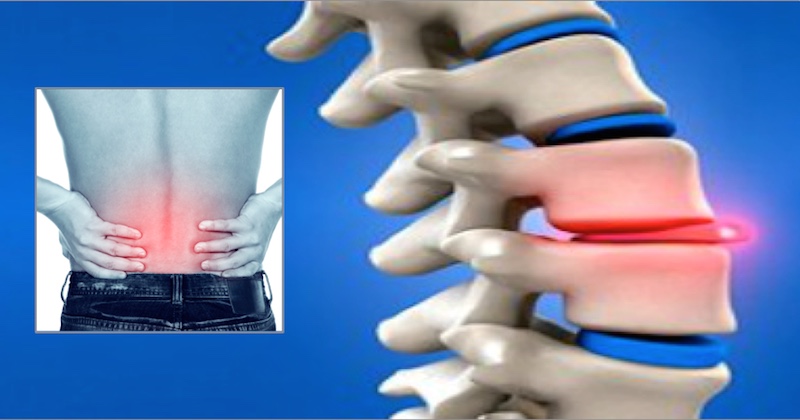
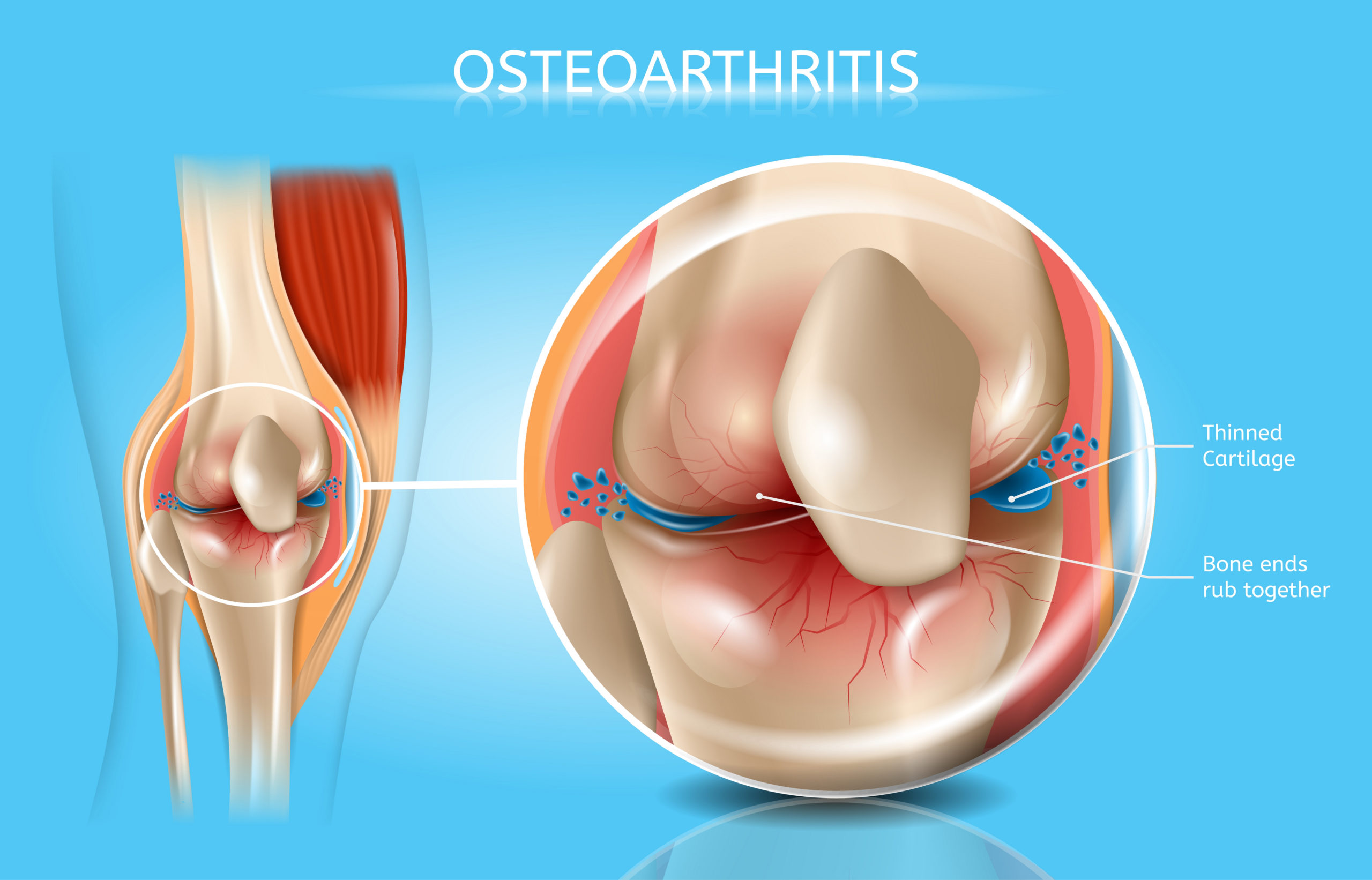
Osteoarthritis occurs when the cartilage—the slippery tissue that covers the ends of bones in a
joint—gradually wears away. This cartilage acts as a cushion and allows for smooth movement.
When it deteriorates, bones begin to rub against each other, causing pain, swelling, stiffness,
and restricted movement.
OA can affect any joint but most commonly impacts:
Knees
Hips
Hands
Spine
It tends to develop slowly and worsens over time, especially without appropriate management.
Why Does Osteoarthritis Happen?
The exact cause of OA isn’t always clear, but several factors increase the risk:
Age
The risk increases significantly after the age of 40, as the ability of cartilage to heal naturally
decreases.
Joint Overuse
Jobs or sports that require repetitive movement or heavy lifting can put extra strain on joints.
Obesity
Excess weight increases pressure on weight-bearing joints like the knees and hips, accelerating
cartilage breakdown.
Genetics
A family history of osteoarthritis can predispose you to the condition.
Previous Joint Injuries
Injuries such as fractures, ligament tears, or dislocations can damage cartilage and lead to early
OA.
Gender
Women are more prone to osteoarthritis, especially after menopause.
Early Signs of Osteoarthritis
Catching OA early is key to slowing its progression. Here are the warning signs you should
never ignore:
Joint Pain
This is often the first symptom. It may start as mild discomfort after physical activity and worsen
over time.
Morning Stiffness
If your joints feel stiff when you wake up but improve within 30 minutes, it could be a sign of
early OA.
Swelling
Mild inflammation may be present around the affected joint, leading to swelling and tenderness.
Cracking or Popping Sounds
You may hear or feel grinding, crackling, or popping noises (crepitus) when moving the joint.
Limited Range of Motion
As OA progresses, it may become harder to fully move or bend the joint.
Joint Instability
Joints may feel weak or unstable, especially the knees, causing a sense of giving way during
movement.
Diagnosis of Osteoarthritis
If you suspect osteoarthritis, consult a healthcare provider. Diagnosis is usually based on:
Medical history and symptoms
Physical examination of the joints
X-rays to check for narrowing of joint space or bone spurs
MRI scans (in some cases) for more detailed imaging
Blood tests to rule out other forms of arthritis like rheumatoid arthritis
How Is Osteoarthritis Treated?
There is no cure for osteoarthritis, but various treatments can relieve symptoms and help
maintain joint function.
1. Lifestyle Changes
The most effective way to manage OA begins with changes to your daily habits:
Exercise: Low-impact activities such as walking, cycling, yoga, or swimming can
strengthen muscles and improve joint flexibility.
Weight loss: Losing even a few kilograms can greatly reduce pressure on joints.
Joint care: Avoid overuse and use support devices like braces or canes if needed.
2. Medications
Several medicines can help manage OA symptoms:
Pain relievers (Paracetamol, NSAIDs): For mild to moderate pain.
Topical creams or gels: Applied directly to the skin over the joint.
Corticosteroid injections: Reduce inflammation and provide temporary relief.
Hyaluronic acid injections: Lubricate the joint and improve mobility (used especially in
knee OA).
3. Physical Therapy
A physiotherapist can design an individualized program to:
Strengthen muscles
Improve range of motion
Reduce stiffness
Promote proper joint alignment
4. Assistive Devices
Items like orthotic shoe inserts, canes, or supportive braces can help reduce joint stress and
make movement easier.
5. Alternative Therapies
Some patients find relief with alternative options such as:
Acupuncture
Massage therapy
Herbal supplements (consult your doctor before use)
While these don’t replace medical treatment, they may provide additional comfort when used
safely.
6. Surgery (in Advanced Cases)
If other treatments fail to provide relief, surgical options may be considered:
Joint replacement (knee or hip): Replacing damaged joint surfaces with artificial
components.
Joint fusion: Bones are fused together to reduce movement and pain.
Osteotomy: Bone reshaping to reduce stress on the joint.
Managing Life with Osteoarthritis
Osteoarthritis may be a chronic condition, but many people continue to lead full and active lives
by making a few adjustments:
Stay Active
Movement keeps joints flexible and muscles strong.
Prioritize Joint Health
Use proper posture and techniques to protect joints during daily activities.
Eat a Balanced Diet
Include anti-inflammatory foods like berries, leafy greens, fatty fish, and nuts.
Monitor Your Mood
Chronic pain can impact mental health. Don’t hesitate to talk to a professional if you’re feeling
anxious or depressed.
Stay Connected
Support from family, friends, or a patient group can make a significant difference in how you
manage your symptoms.