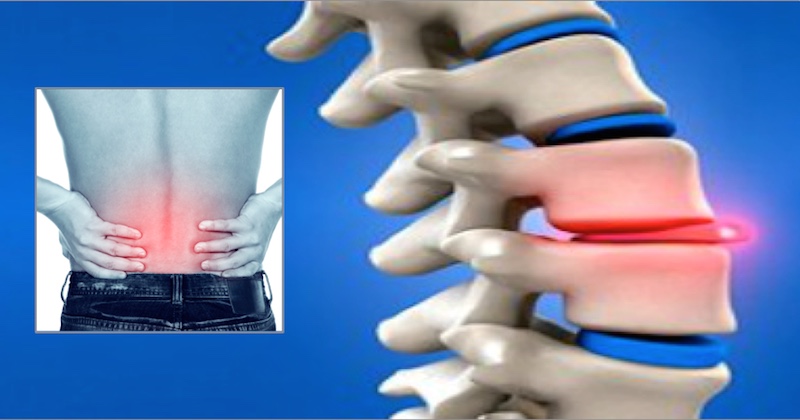
Bones are the foundation of our body – they give us structure, protect vital organs, and allow us to move. Healthy bones are not only essential for physical strength but also for long-term mobility, independence, and quality of life. Unfortunately, many people ignore their bone health until problems like fractures, back pain, or osteoporosis arise.
One of the most effective ways to maintain strong bones throughout life is through proper nutrition. Among all nutrients, Calcium and Vitamin D play the most critical role in keeping bones healthy. This blog explores why these two nutrients matter, how deficiencies affect your bones, the best food sources, and tips to maintain lifelong bone strength.
Why Bone Health Matters
Bones are living tissues that are constantly breaking down and rebuilding. During childhood and adolescence, bone formation is faster than bone breakdown, which is why young people grow taller and stronger. By the late 20s, we usually achieve peak bone mass – the maximum strength and density our bones can reach. After that, bone breakdown starts to outpace bone formation, and this process accelerates with age.
Without proper nutrition, lifestyle habits, and preventive care, bones can become weak and brittle, leading to conditions such as:
Osteoporosis – A disease where bones become fragile and prone to fractures.
Osteopenia – Lower than normal bone density, a precursor to osteoporosis.
Rickets (in children) – Softening of bones due to Vitamin D deficiency.
Fractures – Especially hip, spine, and wrist fractures in older adults.
Strong bones are not just important for avoiding fractures – they also support good posture, flexibility, and overall quality of life.
Calcium: The Building Block of Bones
Calcium is the most abundant mineral in the human body, and about 99% of it is stored in bones and teeth. It provides the structural framework and hardness that bones need. The remaining 1% is crucial for other body functions like muscle contraction, blood clotting, and nerve transmission.
Recommended Daily Intake of Calcium
Children (4–8 years): 1,000 mg/day
Adolescents (9–18 years): 1,300 mg/day
Adults (19–50 years): 1,000 mg/day
Women over 50 & Men over 70: 1,200 mg/day
(Values may vary slightly based on guidelines, but these are standard recommendations.)
Best Food Sources of Calcium
Dairy Products – Milk, yogurt, cheese
Leafy Greens – Spinach, kale, broccoli
Nuts & Seeds – Almonds, sesame seeds, chia seeds
Legumes – Soybeans, lentils, chickpeas
Fish – Sardines and salmon with bones
Fortified Foods – Calcium-fortified juices, cereals, and plant-based milks
Tip: Spread calcium intake throughout the day since the body absorbs it better in smaller amounts.
Vitamin D: The Key to Calcium Absorption
Even if you consume plenty of calcium, your body cannot use it effectively without Vitamin D. This vitamin acts like a “key” that unlocks calcium absorption in the intestines and helps deposit it into bones. Without enough Vitamin D, calcium passes through the digestive system unused, leading to weak bones.
Recommended Daily Intake of Vitamin D
Children & Adults up to 70 years: 600 IU/day
Adults over 70 years: 800 IU/day
Some experts recommend higher doses if deficiency is present (always consult a doctor before supplementation).
Best Sources of Vitamin D
Sunlight – Just 10–15 minutes of sunlight exposure on skin, 3–4 times per week, can help the body produce Vitamin D naturally.
Fatty Fish – Salmon, tuna, mackerel, sardines
Egg Yolks
Fortified Foods – Milk, cereals, plant-based alternatives
Supplements – Vitamin D tablets or drops, especially for people with limited sun exposure
Note: People with darker skin, those living in colder climates, or individuals who spend little time outdoors are at higher risk of Vitamin D deficiency.
Signs of Deficiency
Calcium Deficiency Symptoms:
Brittle nails
Muscle cramps and spasms
Weak or fragile bones (osteoporosis)
Numbness or tingling in fingers
Vitamin D Deficiency Symptoms:
Frequent bone pain
Muscle weakness
Fatigue
Higher risk of fractures
In children – bowed legs, delayed growth (rickets)
Ignoring these symptoms may lead to long-term bone complications.
Nutrition and Bone Health Across Different Life Stages
1. Childhood & Adolescence
This is the most critical period for bone development. Adequate calcium and Vitamin D intake ensures strong bones and helps achieve peak bone mass. Parents should encourage kids to drink milk, play outdoors, and eat a balanced diet.
2. Adults (20s to 50s)
Bone mass stabilizes during these years. It’s important to maintain healthy eating habits, exercise, and lifestyle practices to prevent early bone loss. Women, especially during pregnancy and breastfeeding, need extra calcium and Vitamin D.
3. Seniors (50s and above)
Bone loss accelerates with age, particularly in women after menopause due to hormonal changes. Calcium-rich foods, Vitamin D supplements, weight-bearing exercises, and fall prevention strategies are crucial at this stage.
Lifestyle Tips for Strong Bones
Nutrition is essential, but it’s not the only factor. Lifestyle plays a big role in bone health. Here are some key tips:
Exercise Regularly – Weight-bearing exercises like walking, jogging, dancing, and resistance training improve bone strength.
Quit Smoking – Smoking reduces bone density.
Limit Alcohol – Excess alcohol interferes with calcium absorption.
Maintain Healthy Weight – Being underweight increases fracture risk, while obesity adds stress on bones and joints.
Fall-Proof Your Home – Especially important for seniors to prevent fractures.
Do You Need Supplements?
Supplements can help if you cannot get enough calcium or Vitamin D through diet alone. However, they should not be taken unnecessarily. Always consult a doctor before starting supplements.
Calcium Supplements: Calcium carbonate or calcium citrate are commonly used.
Vitamin D Supplements: Available as tablets, capsules, or drops. Sometimes prescribed along with calcium.
Excess supplementation can be harmful, leading to kidney stones or cardiovascular risks. Hence, personalized medical advice is important.
Calcium & Vitamin D Beyond Bone Health
While their primary role is bone strength, these nutrients also have wider health benefits:
Calcium: Helps in blood clotting, nerve function, and muscle contractions.
Vitamin D: Supports immunity, reduces risk of infections, and may help in preventing diabetes, hypertension, and even certain cancers.
Thus, a diet rich in calcium and Vitamin D improves overall well-being.
When to See a Doctor
You should consult an orthopaedic specialist if you experience:
Frequent bone or joint pain
Repeated fractures or slow healing bones
Signs of osteoporosis or arthritis
Severe back pain that could indicate spine issues
Early medical intervention can prevent complications and ensure better outcomes.
Conclusion
Strong bones are built on two pillars – Calcium and Vitamin D. Calcium provides the building blocks, while Vitamin D ensures those blocks are absorbed and utilized effectively. At every stage of life, from childhood to old age, these nutrients play a vital role in bone health.
A balanced diet, regular sunlight exposure, physical activity, and lifestyle modifications can keep bones strong and reduce the risk of osteoporosis and fractures. If needed, supplements can be added under medical guidance.
Remember, your bones carry you through life – take care of them today for a healthier tomorrow.