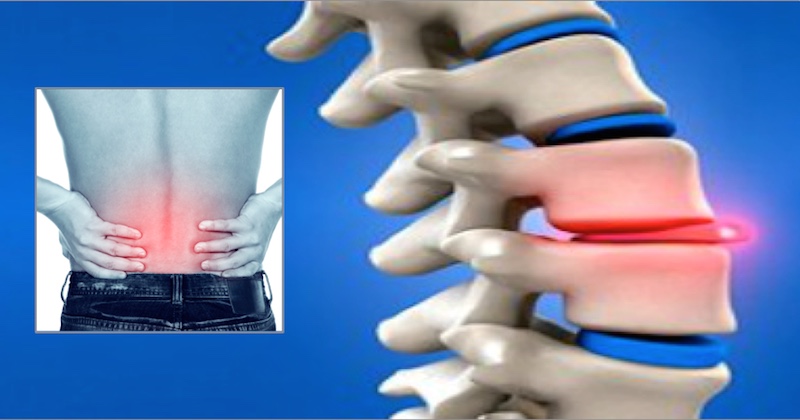
Spine surgery can be life-changing for people struggling with chronic back or neck pain,
nerve compression, or spinal deformities. However, surgery is just the beginning of the
healing journey. One of the most important factors that determine the success of spine
surgery is postoperative physiotherapy.
Physiotherapy after spine surgery plays a crucial role in speeding up recovery, restoring
movement, preventing complications, and helping you regain independence. Without
proper rehabilitation, even a successful surgical procedure can lead to prolonged pain,
stiffness, and reduced quality of life.
In this blog, we’ll explore why physiotherapy after spine surgery is so important, the
stages of rehabilitation, what to expect, and tips for a smooth recovery.
Why Physiotherapy is Essential After Spine Surgery
Surgery addresses the structural problem in the spine — such as removing a herniated
disc, relieving nerve pressure, or stabilizing the spine — but it does not automatically
restore muscle strength, flexibility, or functional movement.
Postoperative physiotherapy bridges this gap by:
1. Restoring Mobility
After spine surgery, many patients experience stiffness due to scar tissue formation,
muscle guarding, or fear of movement. Physiotherapy helps restore your spine’s natural
range of motion through targeted exercises.
2. Strengthening Muscles
The muscles supporting your spine, such as the core and back muscles, often weaken
after surgery due to inactivity and pain. Physiotherapy strengthens these muscles to
prevent future injuries and ensure the spine remains well-supported.
3. Improving Posture
Poor posture is a common cause of spinal problems and can also slow recovery after
surgery. Physiotherapists teach correct posture and body mechanics for daily activities
to protect your spine.
4. Enhancing Circulation & Healing
Gentle movement and stretching improve blood flow, which delivers oxygen and
nutrients to the healing tissues and reduces swelling.
5. Preventing Complications
Without rehabilitation, patients are at risk of developing muscle tightness, joint stiffness,
blood clots, or recurrent pain. Physiotherapy minimizes these risks.
6. Boosting Confidence
After spine surgery, many people feel anxious about movement, fearing they might
“damage” the operated area. Physiotherapy provides supervised, safe exercises that
help you regain confidence in your body.
When Does Physiotherapy Start After Spine Surgery?
The timing depends on the type of surgery performed, your overall health, and your
surgeon’s recommendations.
● Day 1–2 after surgery: In many cases, physiotherapy begins in the hospital
itself with gentle breathing exercises, leg movements, and short walks.
● First 2–6 weeks: Focus is on basic mobility, gentle stretching, and light
strengthening.
● After 6 weeks: Gradually progress to more intensive exercises, improving
flexibility, endurance, and balance.
● 3 months and beyond: Advance to higher-level activities, sports rehabilitation (if
applicable), and long-term spine care exercises.
Important: Always follow your surgeon’s instructions before starting any physiotherapy
program.
Stages of Physiotherapy After Spine Surgery
Stage 1: Early Recovery (Hospital Stay to Week 2)
Goals:
● Manage pain and swelling.
● Prevent blood clots and pneumonia.
● Begin gentle movement.
Typical Physiotherapy Activities:
● Breathing exercises to keep lungs clear.
● Ankle pumps to improve circulation.
● Gentle log rolling technique to get in and out of bed safely.
● Short supervised walks around the room or hallway.
● Gentle sitting and standing with proper posture.
Tips:
● Avoid bending, twisting, or lifting heavy objects.
● Use a walker or support if recommended.
Stage 2: Intermediate Recovery (Week 3 to Week 6)
Goals:
● Regain basic mobility and independence.
● Begin strengthening the core and back muscles.
● Improve posture.
Typical Physiotherapy Activities:
● Gentle stretches for the hamstrings, hip flexors, and back muscles.
● Isometric core exercises (tightening abdominal muscles without movement).
● Pelvic tilts to improve lower back flexibility.
● Walking program — gradually increasing distance.
● Posture training for sitting, standing, and walking.
Tips:
● Avoid prolonged sitting (take breaks every 30–45 minutes).
● Wear a brace if prescribed by your surgeon.
Stage 3: Strength & Stability Phase (Week 6 to Week 12)
Goals:
● Increase spinal stability.
● Build muscle endurance.
● Return to light household activities.
Typical Physiotherapy Activities:
● Resistance band exercises for the upper and lower body.
● Bridging exercises for glute and lower back strength.
● Aquatic therapy (if available) to reduce pressure on the spine while exercising.
● Balance training to prevent falls.
Tips:
● Start light and increase intensity gradually.
● Focus on quality of movement over quantity.
Stage 4: Advanced Rehabilitation (3 to 6 Months)
Goals:
● Return to pre-surgery activity levels.
● Improve athletic performance (if applicable).
● Prevent recurrence of spine problems.
Typical Physiotherapy Activities:
● Functional training (lifting, reaching, bending with correct mechanics).
● Core stability exercises like planks and bird-dogs.
● Cardio training such as cycling, swimming, or elliptical machines.
● Progressive resistance training for overall body strength.
Tips:
● Maintain good posture during all exercises.
● Avoid high-impact sports until cleared by your doctor.
Benefits of Physiotherapy After Spine Surgery
1. Faster Recovery Time – Patients who follow a physiotherapy program typically
return to normal activities sooner than those who don’t.
2. Reduced Pain & Stiffness – Exercises improve flexibility and muscle function,
easing discomfort.
3. Lower Risk of Re-Injury – Strengthening surrounding muscles helps protect the
spine.
4. Improved Long-Term Outcomes – Patients who stick to physiotherapy often
enjoy better mobility and quality of life years after surgery.
5. Better Mental Health – Staying active and seeing progress boosts mood and
reduces anxiety.
Common Mistakes to Avoid After Spine Surgery
● Skipping physiotherapy sessions — Consistency is key to recovery.
● Doing too much too soon — Overexertion can cause setbacks.
● Ignoring posture — Poor posture can slow healing and cause pain.
● Not following home exercise programs — What you do outside of
physiotherapy sessions matters just as much.
Home Exercise Program After Spine Surgery
Your physiotherapist will provide a customized home program. Some common safe
exercises include:
● Ankle pumps (to improve circulation)
● Pelvic tilts (to mobilize the lower back)
● Gentle walking (to maintain cardiovascular health)
● Seated marches (to strengthen hip flexors)
● Wall slides (to improve posture and leg strength)
Long-Term Spine Health Tips
Once your rehabilitation is complete, it’s essential to continue practicing spine-friendly
habits to prevent future issues.
● Stay active – Engage in low-impact activities like swimming, walking, or yoga.
● Strengthen your core – Maintain muscle support for your spine.
● Maintain healthy weight – Reduce stress on the spinal structures.
● Practice safe lifting – Bend at the knees, not the waist.
● Use ergonomic furniture – Support your spine at work and home.
When to Contact Your Doctor During Physiotherapy
While mild soreness after exercises is normal, contact your doctor immediately if you
experience:
● Severe or worsening pain.
● New numbness, tingling, or weakness in the limbs.
● Loss of bladder or bowel control.
● Signs of infection at the surgical site (redness, swelling, discharge, fever).
Conclusion
Physiotherapy after spine surgery is not optional — it’s essential. It ensures that the
benefits of surgery are maximized, complications are minimized, and you regain
strength, flexibility, and confidence in your movement. By committing to your
rehabilitation plan and following your physiotherapist’s guidance, you can return to an
active, pain-free life.
If you have undergone spine surgery or are planning to, talk to your spine surgeon and
physiotherapist about creating a personalized rehabilitation plan. Your future mobility
and comfort depend on it.