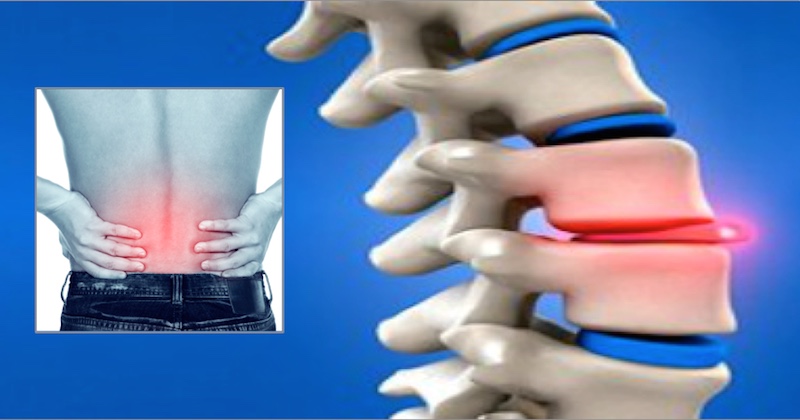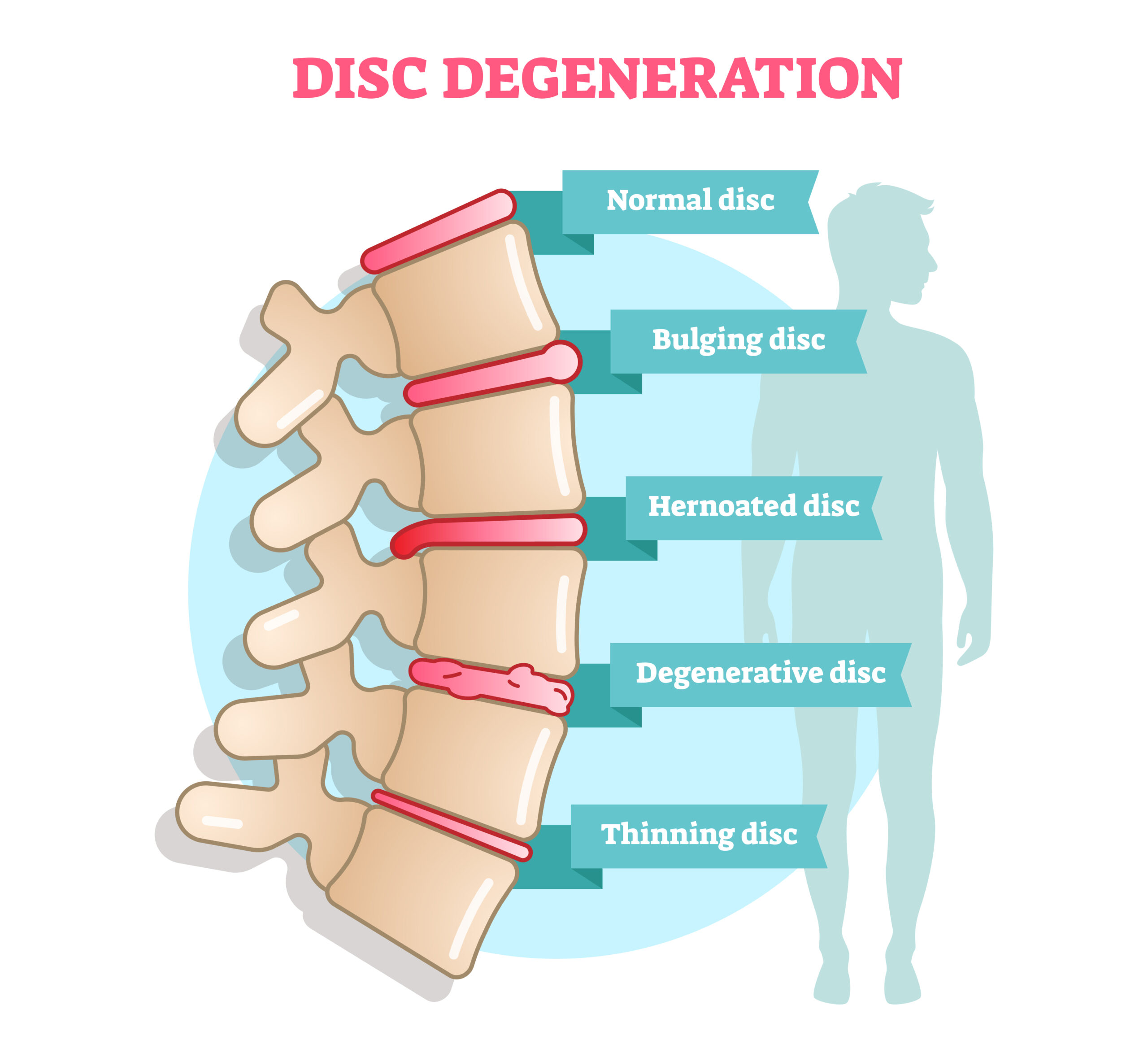
Degenerative Disc Disease (DDD) may sound like a progressive, life-threatening illness, but it’s actually a common condition that affects the spine as we age. If you’ve been experiencing chronic back or neck pain, stiffness, or reduced mobility, you might be dealing with this condition — and you’re not alone. Let’s explore what degenerative disc disease really is, its symptoms, causes, treatments, and when to see a spine specialist.
What is Degenerative Disc Disease?
Degenerative Disc Disease is not a disease in the traditional sense. Instead, it refers to age-related changes in the spinal discs — the soft, cushion-like pads between the vertebrae. Over time, these discs can lose water content, become less flexible, and begin to deteriorate. This degeneration can lead to pain, restricted movement, and even neurological symptoms when nerves are compressed.
Key Points:
Most people will have some disc degeneration as they age.
It doesn’t always cause pain or require surgery.
It can affect the cervical (neck), thoracic (mid-back), or lumbar (lower back) regions.
What Causes Degenerative Disc Disease?
The primary cause is aging. However, several factors contribute to early or accelerated disc degeneration:
Loss of Disc Hydration
Healthy discs are 70-90% water. As we age, they naturally lose water content, making them less able to absorb shocks and pressure.
Disc Injuries
Even minor injuries can cause tears in the outer layer of the disc (annulus fibrosus), leading to pain and faster degeneration.
Repetitive Stress or Poor Posture
Jobs or activities involving repetitive bending, lifting, twisting, or poor posture can accelerate wear and tear.
Genetics
Some people are genetically predisposed to disc problems.
Smoking
Smoking reduces blood flow to the spine, slowing the delivery of nutrients to the discs.
Common Symptoms of DDD
Symptoms can vary depending on the location and severity of degeneration. Common signs include:
Chronic Pain
Pain in the back or neck lasting more than six weeks.
May be intermittent or constant.
Radiating Pain
Pain that spreads to the buttocks, thighs (lumbar DDD), or shoulders and arms (cervical DDD).
Numbness or tingling due to nerve root compression.
Stiffness and Reduced Mobility
Difficulty bending, twisting, or lifting.
Feeling “locked” in certain positions.
Worsening Pain with Activity
Pain that gets worse with sitting, bending, or lifting.
Improves with walking or lying down.
Diagnosing Degenerative Disc Disease
If you suspect DDD, your spine specialist will perform a combination of:
Clinical History
Type, location, and duration of symptoms.
Triggers that worsen or relieve pain.
Physical Examination
Range of motion, strength testing, and reflex checks.
Imaging Tests
X-ray: Shows narrowing of disc space.
MRI: Detects disc dehydration, herniation, or nerve compression.
CT Scan: In some cases, especially before surgery.
Treatment Options for DDD
Most patients with degenerative disc disease do not need surgery. The goal is to relieve pain, improve mobility, and strengthen the spine.
1. Conservative (Non-Surgical) Treatment
Medications
NSAIDs (e.g., ibuprofen) to reduce inflammation.
Muscle relaxants or pain relievers.
Oral corticosteroids in severe cases.
Physical Therapy
Core strengthening exercises.
Stretching and posture correction.
Spine stabilization programs.
Heat/Ice Therapy
To ease inflammation and muscle spasms.
Epidural Steroid Injections
Reduces inflammation and pain around the affected nerve.
Lifestyle Modifications
Quitting smoking, losing excess weight, and maintaining proper posture.
2. Surgical Treatment (When Conservative Methods Fail)
Surgery is considered if:
Pain is severe and persistent.
Nerve compression is causing weakness or loss of function.
Quality of life is severely affected.
Common Surgical Options:
Spinal Fusion
Fuses two or more vertebrae to stop movement at the painful segment.
May reduce flexibility but offers long-term pain relief.
Disc Replacement (Artificial Disc)
Replaces the damaged disc with an artificial one.
Preserves motion and is an alternative to fusion.
Microdiscectomy or Laminectomy
Removes part of a disc or vertebra to relieve nerve pressure.
Consult a spine surgeon to discuss the risks and benefits of each option.
Living with Degenerative Disc Disease
While DDD can’t be reversed, many people live active, fulfilling lives with the right care. Here are some lifestyle tips:
Stay Active
Low-impact exercises like walking, swimming, or yoga help maintain spine health.
Ergonomic Support
Use supportive chairs and sleep surfaces to reduce spine stress.
Maintain Healthy Weight
Extra weight strains the spine and accelerates disc wear.
Eat Anti-Inflammatory Foods
A healthy diet rich in omega-3s, vegetables, and lean proteins can reduce inflammation.
When Should You See a Spine Specialist?
You should consult a spine specialist if:
Pain persists for more than a few weeks.
There is weakness, tingling, or numbness in your limbs.
You experience difficulty walking or controlling bladder/bowel function (a medical emergency).
Early intervention leads to better outcomes. Don’t ignore chronic back or neck pain.
Conclusion
Degenerative Disc Disease is a common but manageable condition. With proper diagnosis, lifestyle changes, and medical support, most people can minimize their symptoms and maintain a good quality of life. If you’re experiencing back pain that interferes with your daily activities, consult a spine specialist to explore your options. Early care and the right treatment plan can make all the difference.