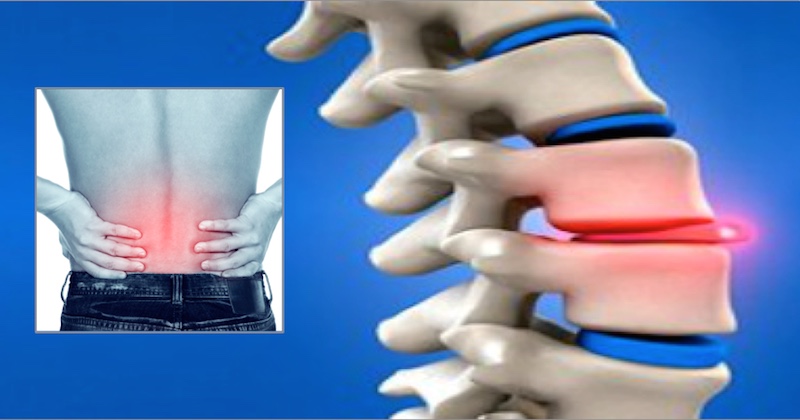
Sciatica is a common and often misunderstood condition that affects millions of people
worldwide. If you’ve ever experienced pain radiating down your leg, weakness in your lower
limb, or a tingling sensation that just won’t go away, you might be dealing with sciatica. This blog
will help you understand what sciatica is, what causes it, its symptoms, and how it can be
treated effectively.
What Is Sciatica?
Sciatica is not a disease in itself but a symptom of an underlying medical condition. It refers to
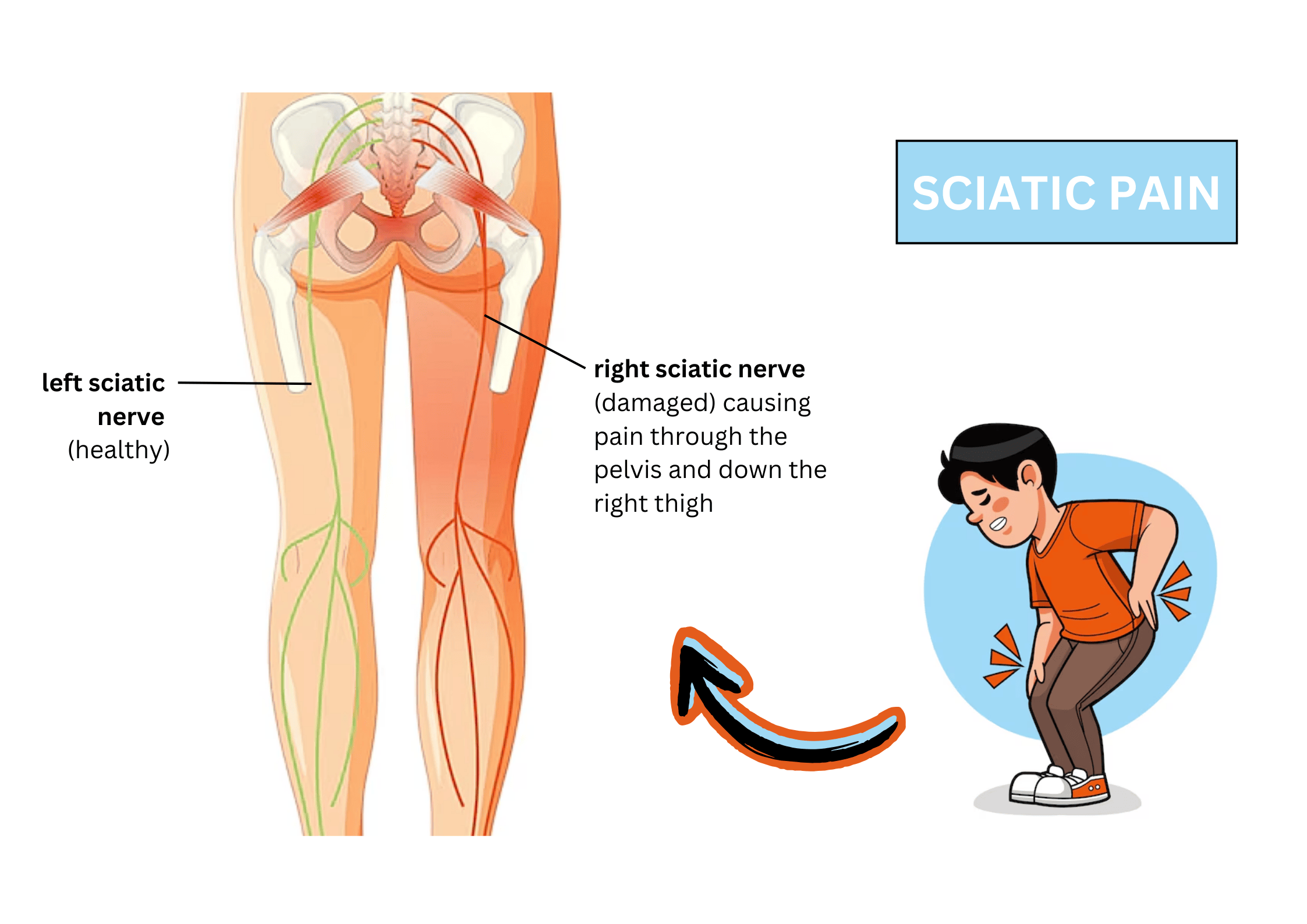
pain that radiates along the path of the sciatic nerve, which branches from your lower back
through your hips and buttocks and down each leg.
Usually, sciatica affects only one side of the body. The pain can vary in intensity and may feel
like a mild ache or a sharp, burning sensation. Sometimes, it can be excruciating and
debilitating.
Understanding the Sciatic Nerve
The sciatic nerve is the largest and longest nerve in the human body, originating in the
lumbar spine (lower back) and running through the buttocks and down the legs. It controls the
muscles in the back of your knee and lower leg and provides sensation to your thighs, legs, and
feet.
When this nerve is compressed or irritated, it results in the symptoms commonly referred to as
sciatica.
What Causes Sciatica?
Sciatica can result from several spine-related issues. Here are the most common causes:
1. Herniated (Slipped) Disc
The most frequent cause of sciatica is a herniated disc in the spine pressing on the sciatic
nerve root. The disc may bulge out and compress the nerve, causing pain.
2. Degenerative Disc Disease
As people age, spinal discs lose their cushioning ability. This wear and tear can result in
inflammation or compression of the sciatic nerve.
3. Spinal Stenosis
Narrowing of the spinal canal can put pressure on the nerve roots, leading to sciatica.
4. Spondylolisthesis
This occurs when one vertebra slips over another, potentially pinching the nerve.
5. Piriformis Syndrome
Sometimes, the piriformis muscle, located in the buttock region, irritates or compresses the
sciatic nerve.
6. Trauma or Injury
A car accident, fall, or sports injury affecting the spine or lower back can lead to nerve
compression.
Symptoms of Sciatica
Sciatica symptoms can vary depending on the cause and severity. Common symptoms include:
● Pain radiating from the lower back to the buttock and down the leg
● Sharp, shooting, or burning pain
● Tingling or numbness in the leg or foot
● Weakness in the affected leg
● Difficulty standing, walking, or sitting for long periods
● Pain that worsens with movement, coughing, or sneezing
Typically, the symptoms are felt on one side of the body, although bilateral sciatica (both sides)
can occur in rare cases.
When Should You See a Spine Specialist?
You should consult a spine surgeon or orthopaedic specialist if:
● Your pain is severe or persistent for more than a few weeks.
● You have numbness or weakness in the leg or foot.
● You experience loss of bowel or bladder control (a medical emergency).
● Home remedies and medications don’t relieve your symptoms.
Early diagnosis and intervention can prevent complications and improve quality of life.
Diagnosing Sciatica
To diagnose sciatica, your spine specialist will:
● Take a detailed history of your symptoms
● Perform a physical examination
● Check reflexes, muscle strength, and nerve function
Diagnostic Tests May Include:
● X-rays – To check for bone spurs or fractures
● MRI (Magnetic Resonance Imaging) – To view soft tissues, herniated discs, and nerve
roots
● CT scan with Myelogram – Useful in certain complex cases
● Nerve conduction studies / EMG – To evaluate nerve function
Treatment Options for Sciatica
Treatment depends on the cause and severity of symptoms. Many people recover without
surgery. Here’s a breakdown of treatment options:
1. Conservative (Non-Surgical) Treatment
a. Medications:
● Pain relievers (NSAIDs)
● Muscle relaxants
● Nerve pain medications (e.g., pregabalin, gabapentin)
b. Physical Therapy:
● Exercises to improve mobility and strength
● Stretching routines to relieve pressure on the nerve
● Posture correction strategies
c. Lifestyle Changes:
● Weight management
● Ergonomic adjustments at home or work
● Avoid prolonged sitting or standing
d. Heat and Cold Therapy:
● Ice packs for acute pain
● Heat packs for muscle tightness
e. Epidural Steroid Injections:
● Helps reduce inflammation around the nerve root
● Offers temporary pain relief in moderate to severe cases
2. Surgical Treatment
Surgery is considered when conservative methods fail after 6–12 weeks or when there is severe
nerve compression.
Common Surgical Procedures:
● Discectomy – Removal of the herniated part of the disc pressing on the nerve
● Laminectomy – Removal of part of the vertebra to relieve pressure on the nerve
● Endoscopic Spine Surgery – Minimally invasive option with faster recovery
A spine surgeon will guide you based on imaging findings, overall health, and symptom
severity.